
When you are adapting to a new country, worries, unfamiliar routines, shift work, or missing loved ones can
affect your sleep. You may struggle to fall asleep, wake during the night, or feel tired during the day. Poor sleep
can make stress and difficult emotions harder to manage, while stress can also disturb sleep. Small changes to
your routine may help.
Practical steps you can take
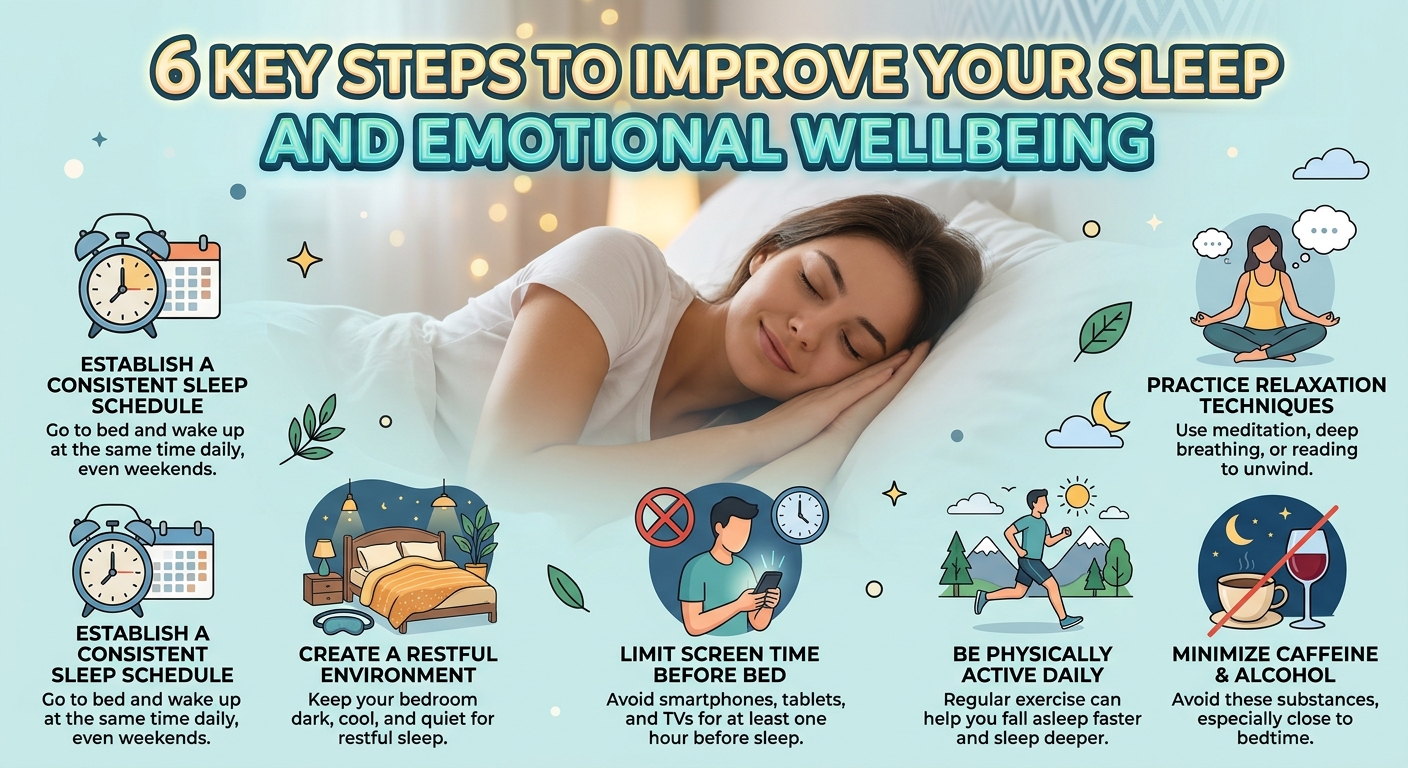
- Keep a regular sleep schedule. Try to go to bed and wake up at similar times, including on days off.
- Create a calming evening routine. Choose quiet activities such as reading, gentle stretching, or listening to
relaxing music. - Reduce screen time before bed. If your phone keeps you alert, put it aside for a while before trying to sleep.
- Limit caffeine later in the day. Notice whether coffee, tea, or energy drinks affect your ability to fall asleep.
- Make your sleeping space comfortable. When possible, keep it dark, quiet, and at a comfortable temperature.
- Get daylight and movement. Spending time outside and being physically active during the day can support a
regular sleep rhythm. - Set aside time for worries. Write down tomorrow’s tasks earlier in the evening instead of trying to solve
everything in bed. - Avoid forcing sleep. If you cannot sleep, try a quiet, relaxing activity until you feel sleepy, then return to bed.
- Be patient with yourself. A difficult night does not mean that your sleep will always be difficult.
- Seek advice when needed. If sleep problems persist, seriously affect daily life, or come with other concerning
symptoms, speak with a healthcare professional.
Try this today
For the next three evenings, try one calming activity before bed and keep your wake-up time consistent. Notice
whether you feel any difference.
Remember: Rest is an important part of wellbeing. You deserve time to recover, even when life feels
demanding.