
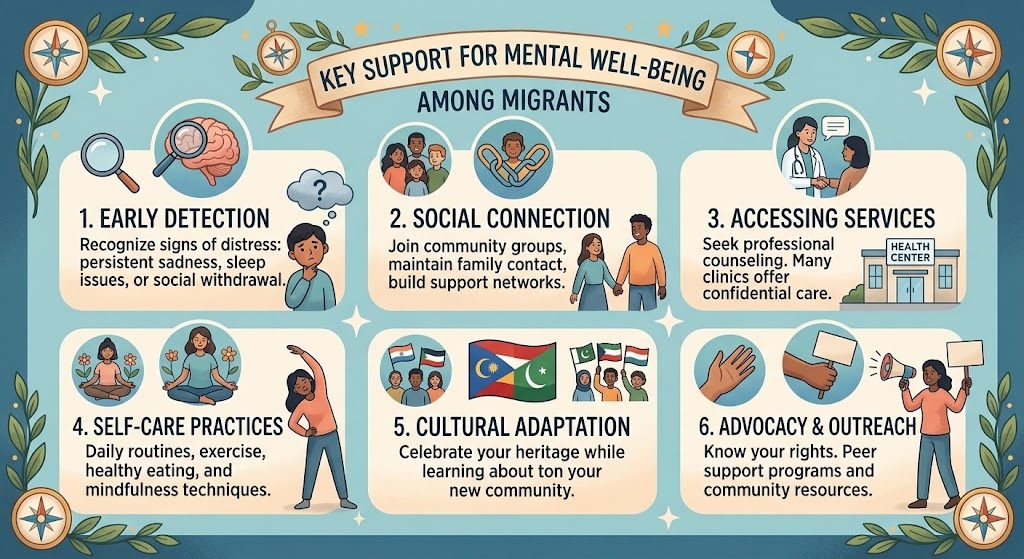
Self-care means taking deliberate steps to support your physical, emotional, and social
wellbeing. During stressful periods, people often focus only on urgent responsibilities and may
forget their own needs. However, basic self-care can help maintain energy, emotional balance,
and the ability to cope with difficult situations.
Self-care does not need to be expensive or complicated. It can include regular meals, drinking
enough water, getting enough rest, taking a walk, spending time outdoors, speaking with
someone you trust, listening to music, reading, praying or practicing another meaningful
activity. Rest is also a legitimate need, not something that has to be earned.
Try to create a simple daily routine with a few realistic activities. Avoid setting too many goals
at once. A ten-minute walk, a regular bedtime, or a short conversation with a supportive
person can be meaningful. Self-care is not about avoiding problems; it is about strengthening
your capacity to face them.
Practical Exercises
- Create three categories: Body, Mind, and Connection. Write two self-care activities under
each. - Choose one activity that takes less than 10 minutes and practice it today.
- Plan one longer self-care activity for this week, such as a walk, exercise, meeting a friend,
or time in nature. - Notice one basic need you have been ignoring and make a practical plan to address it.
- At the end of the week, reflect on which self-care activity helped you feel more balanced.